Tips for Negotiating Your Roof Replacement Cost
Tips for Negotiating Your Roof Replacement Cost
Blog Article
Finding a qualified roofing contractor is vital for ensuring your home's safety and structural integrity. A skilled contractor will handle quality installations, repairs, and maintenance of your roofing system. If you’re in need of reliable services, we provide an extensive guide to expert roofing solutions. Investing in your roof is a key step in boosting the overall value of your home at this website. The roofing industry includes a wide range of specializations, catering to the diverse needs of residential and commercial buildings alike. Gaining insight into what a roofing contractor does and how to choose the right one will help you make well-informed decisions for your roofing requirements. A roofing contractor is a professional skilled in the installation, repair, and maintenance of roofs, ensuring they are equipped to handle various roofing materials and project types. To choose a roofing contractor, seek references, check credentials, obtain multiple quotes, and review warranties to ensure you select a qualified professional for your project. Costs can vary significantly based on project scope and materials, with complete roof replacements typically ranging from $5,000 to $15,000, excluding inspections and maintenance costs. The duties of a roofing contractor are crucial in managing roof installations and maintenance. These professionals specialize in various aspects of roofing, including the installation, repair, and upkeep of roofs for both residential and commercial properties. They ensure that roofs are installed correctly to withstand local environmental factors while adhering to building safety codes. A roofing contractor generally starts their work with a comprehensive inspection to pinpoint any existing problems or maintenance needs before moving on to the actual roofing project. Roofing contractors undertake a range of responsibilities, like installing numerous roofing materials, including shingles, tiles, metal sheets, and flat roofing systems. Their deep knowledge allows them to evaluate the life expectancy and resilience of each material alternative and provide clients with a structured plan that includes timelines and estimated costs. Their expertise is not confined to repairs; they also advise on the most effective materials, maintenance practices, and upgrades that boost energy efficiency in the long term. The services offered by roofing contractors are extensive, covering everything from inspections to total roof replacements. Inspections are indispensable for identifying possible leaks, damaged sections, or deteriorating materials. This proactive methodology could save homeowners and business owners significant sums in potential repair expenses. Another critical service is the repair process, which involves sealing leaks or replacing compromised shingles to enhance the longevity of a roof. If severe damage is detected, a roofing contractor may recommend a full roof replacement, which entails the removal of the old roofing system and the installation of a new one. Depending on chosen materials and structural necessities, the associated costs can differ widely. In addition to standard residential roofing work, many contractors focus on commercial roofing projects, which pose unique challenges such as ensuring effective drainage and appropriate load-bearing capabilities. Hiring a contractor with expertise in commercial roofing assures compliance with safety standards and all relevant regulations. Selecting a roofing contractor demands careful consideration and research. Start by seeking referrals from friends, family, or trusted online reviews. This initial step can help create a list of potential contractors that have a solid reputation in your area. Once you have a list of prospects, it’s beneficial to verify their credentials, including licensing and insurance, to ensure they are qualified to perform the work safely and legally. During your selection process, ask for detailed quotes from multiple contractors. A detailed estimate should cover labor costs, material prices, and a payment schedule. This step allows for transparent comparisons, ensuring you get fair value for your investment. Pay attention to warranties offered by contractors on their workmanship and the materials used; reputable contractors will back their work with guarantees that offer homeowners some peace of mind. When hiring a roofing contractor, the expenses can fluctuate significantly depending on various factors, including the project's scale, the materials chosen, and regional labor costs. Generally, homeowners might anticipate spending between $5,000 and $15,000 for a full roof replacement. Several additional variables can affect these expenses over time, such as the intricacy of the roof's design, local building codes, and the specific roofing materials selected, whether that be asphalt shingles, metal, or tile roofs. Along with replacement expenses, homeowners must also keep in mind the costs of roof inspections and regular maintenance. Scheduling consistent inspections is a proactive approach to identifying potential problems before they grow, potentially saving considerable amounts on future repair costs. It's also prudent for homeowners to plan for seasonal upkeep, which includes trimming back surrounding vegetation and clearing gutters and drainage systems of debris. For those interested in installing a new roof or working with a roofing contractor, exploring the intricacies of roofs can provide valuable insights into the selection of materials, aesthetics, and differences between residential and commercial roofing applications. Frequently Asked Questions
What is a roofing contractor?
How do I choose a roofing contractor provider?
How much does a roofing contractor cost?
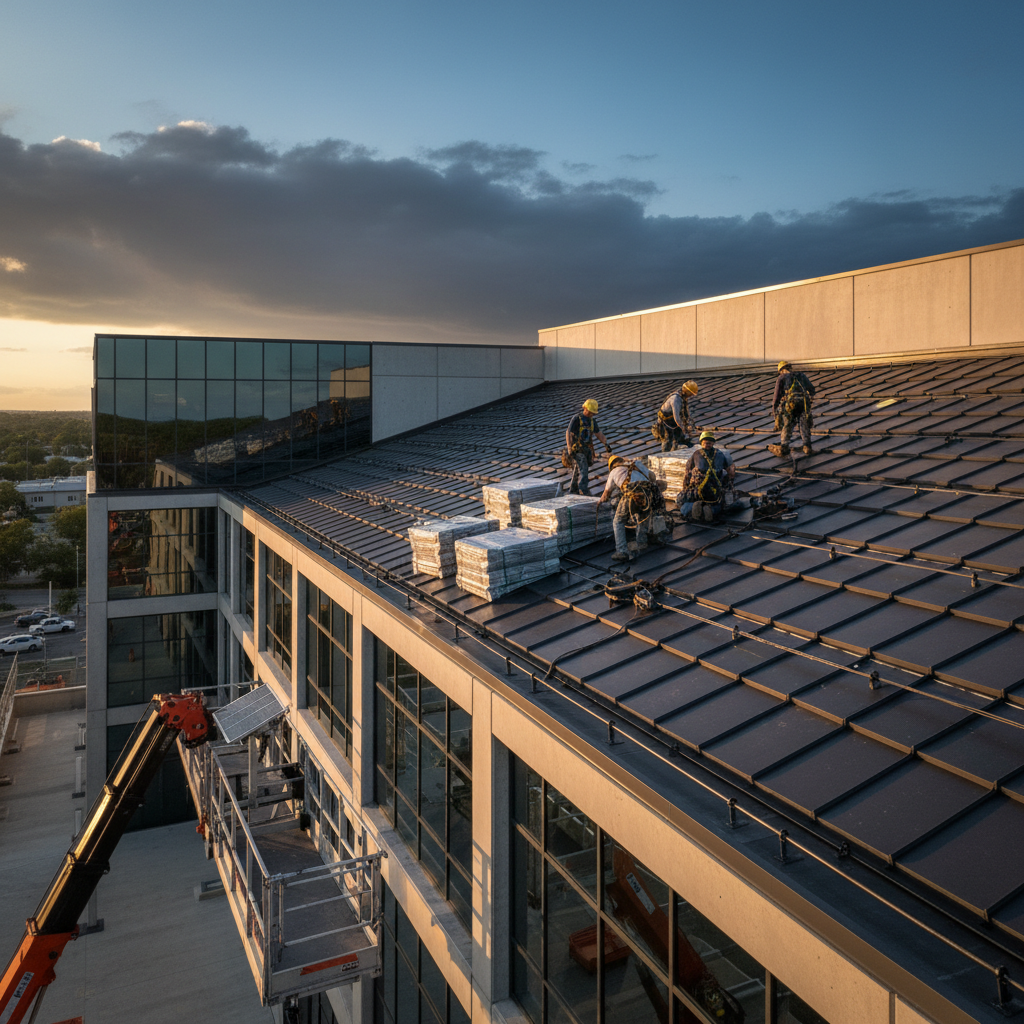 Madison best roofing companyroofing installers near me
Understanding the Role of a Roofing Contractor
Key Services Offered by Roofing Contractors
Choosing the Right Roofing Contractor
Understanding the Expenses
roofing contractor
Tips for Maintaining Your Roof
Routine maintenance can dramatically increase your roof’s lifespan. Regular inspections, timely repairs, and seasonal upkeep can prevent larger issues.
- Schedule yearly roof inspections, especially before winter or after storms.
- Keep gutters clear of debris to ensure proper drainage.
- Inspect flashings and seals to prevent leaks and moisture intrusion.
- Cut back overhanging branches that could damage your roof during storms.
- Consider energy-efficient roofing options that can help reduce energy costs and enhance comfort in your home.
Selecting a roofing contractor is an essential step in protecting your investment in your home. Proper research and planning can significantly influence your roofing project’s success. By following the outlined steps, you can ensure you work with a qualified contractor who meets your needs.